Mortgage Surveys for Florida Closings
Nexgen Logix provides a range of services to suit any land surveying need, serving all Florida counties from our base in Lake Park, Palm Beach County.
What is a mortgage survey?
In Florida, a mortgage survey is a signed and sealed property survey ordered for a home purchase or refinance. It shows the property lines, buildings, fences, easements and any encroachments. Lenders and title insurers usually require a current survey so the title policy can cover survey matters instead of excluding them.

What is Mortgage Survey?
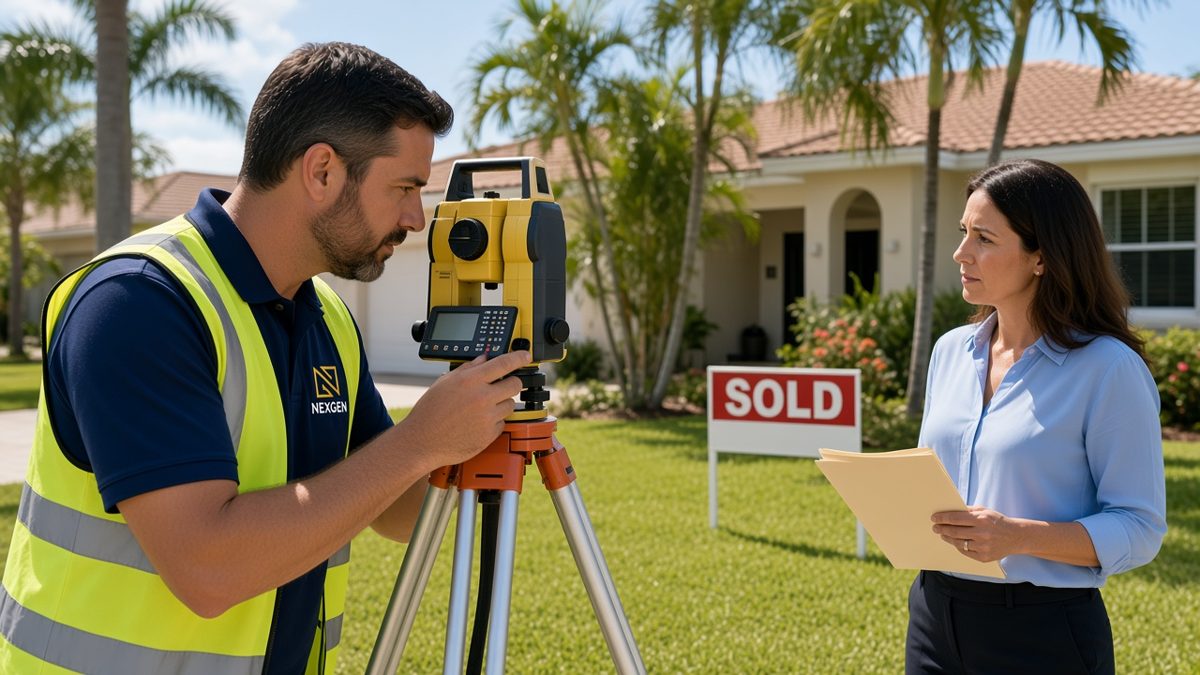
A mortgage survey is a document that, depending on which state you are purchasing a home in, may be required for the closing process. These types of documents are produced through several steps of work; starting with the review of a piece of land that you intend to buy or sell.
Process Involved for Mortgage Survey in Florida by Nexgen Logix
Preliminary Research of the Property
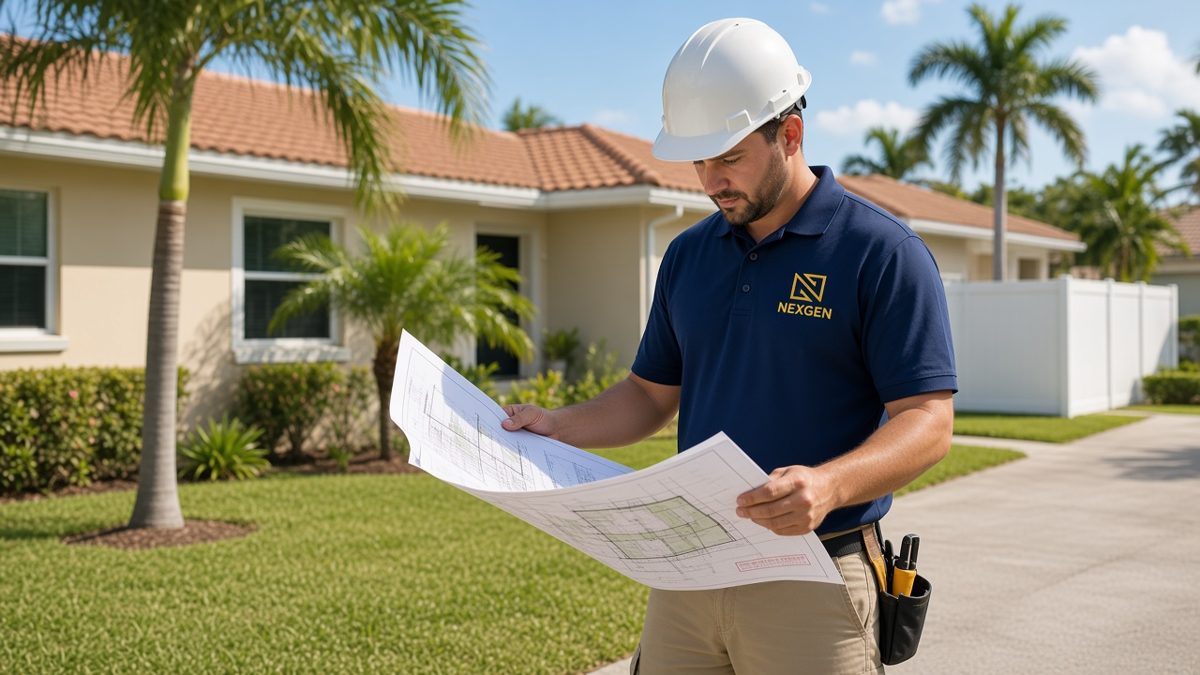
Dedicated staff spend many hours researching the history of a property. They are tasked with researching the legal description of a property, locating and understanding any prior surveys to the property, as well as the original maps, or plats as they are called in the trade of surveying. They are also responsible for determining things like understanding flood hazard zones, which can affect your title insurance, and how to determine if your home needs an elevation certificate.
Document Verification by our Field Crew
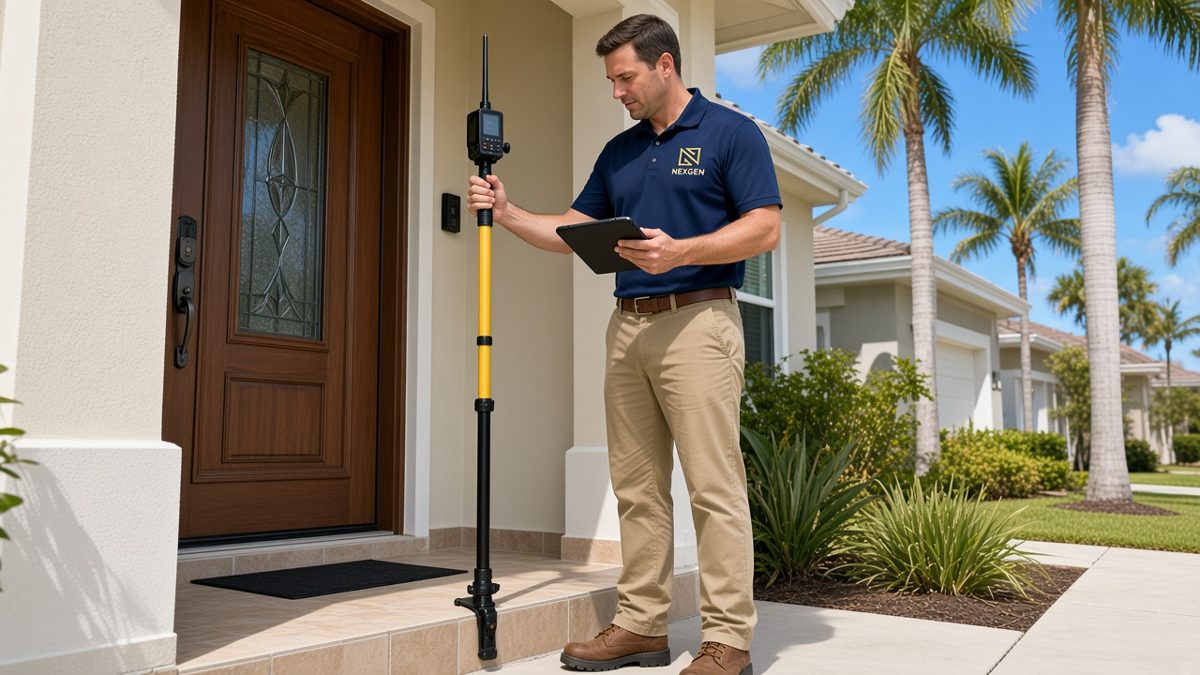
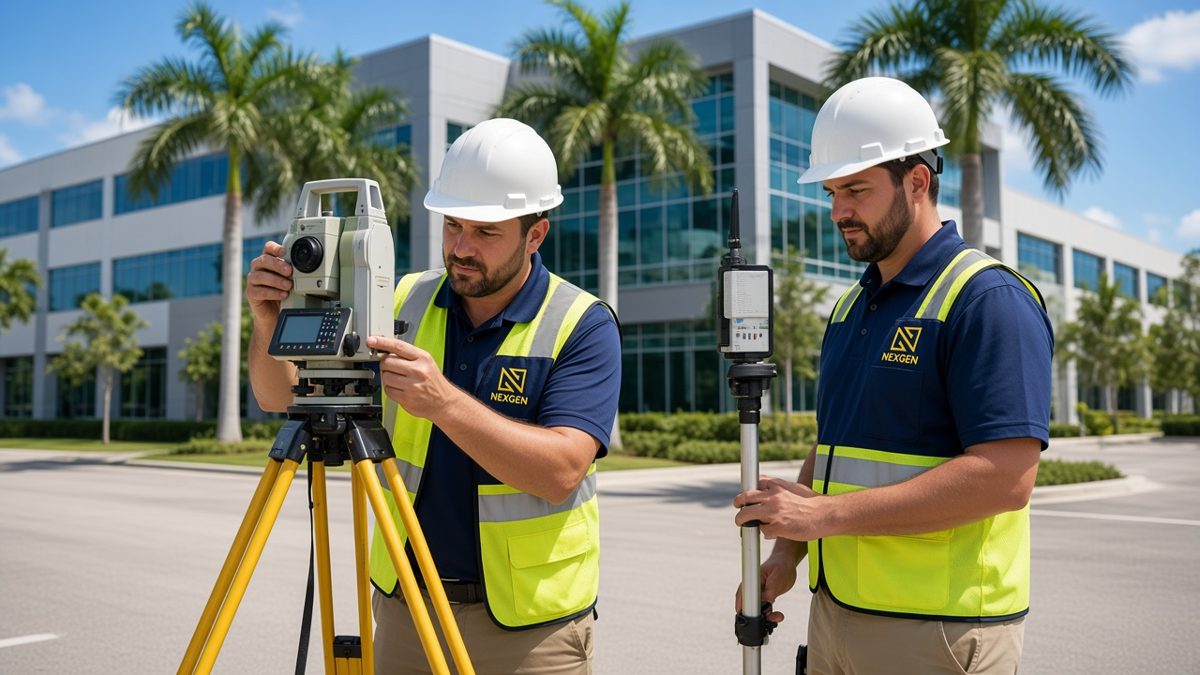
Once the review portion of your property's history has been completed. The information will be organized and provided to a field crew to make sure that the information is correct and verified at the physical property itself. They use extremely precise tools for measuring out the property lines.
All improvements are located with accuracies up to one centimeter or less. They will also collect information related to the street, neighborhood, or development the property is associated with. To ensure you and your title company that your property is exactly what it is supposed to be, or in some cases that it is not.
Sending Documents to Mortgage Location Survey Drafter
After the above process, all the information will be sent to a mortgage location survey drafter. This person uses a drafting program to digitally draw out the exact measurements taken from the field. They are also responsible for checking into specific details such as easements, property restrictions such as setbacks, and ensuring that the boundary and overall condition of the property are accurate. They will check for encroachments that could be fences, sheds, or any other improvement from a neighboring property that should not be on your property.
Final Review by Our Licensed Surveyors
Once the drawing is completed the last and most important piece of the process is called checking. This is where a dedicated staff member will once again review all of the information compiled on your property and displayed in the survey drawing is correct.
They check for things as simple as misspelling; up to the accuracy of the finished product and verifying the legal description. After their review is completed and approved the survey is signed by the licensed surveyor and then sent to you or your title company for review at the closing table.
Frequently Asked Questions
Mortgage surveys are important when buying a new home. The lending company for your mortgage loan wants this document to verify that the property is as described in the legal document. They need it to make sure the land is suitable as a collateral for your mortgage loan.
It will take around 1-4 hours for our licensed land surveyors to complete the physical survey of your property, but it depends upon the size and complexity of the property. It will take around 10-12 hours for a complete in-depth structural survey.
Once the mortgage lender's underwriter has received a copy of your completed survey, they will be checking to see if the valuation makes sense and that there are no issues with the property highlighted in the report. From start to finish, the entire valuation process takes around 2 weeks to complete on average.
In summary, a mortgage valuation is just a check of your properties value and not a structural assessment. The surveyor visits your property briefly and will only pick up on major visible defects.